Seasonal Prevention
Winter Pest Prevention Checklist for Edmonton Homeowners
By Superior Pest Control Team
Winter is a useful time to review the everyday conditions that can make a home accessible or attractive to pests. For Edmonton homeowners, the goal is not to seal every opening or buy a collection of products. It is to notice maintenance needs, keep food and storage manageable, and record recurring signs. This checklist covers the whole property rather than diagnosing one pest. Work only in accessible areas, and leave uncertain building openings or active pest routes for an appropriate assessment.
1. Check door seals and visible gaps
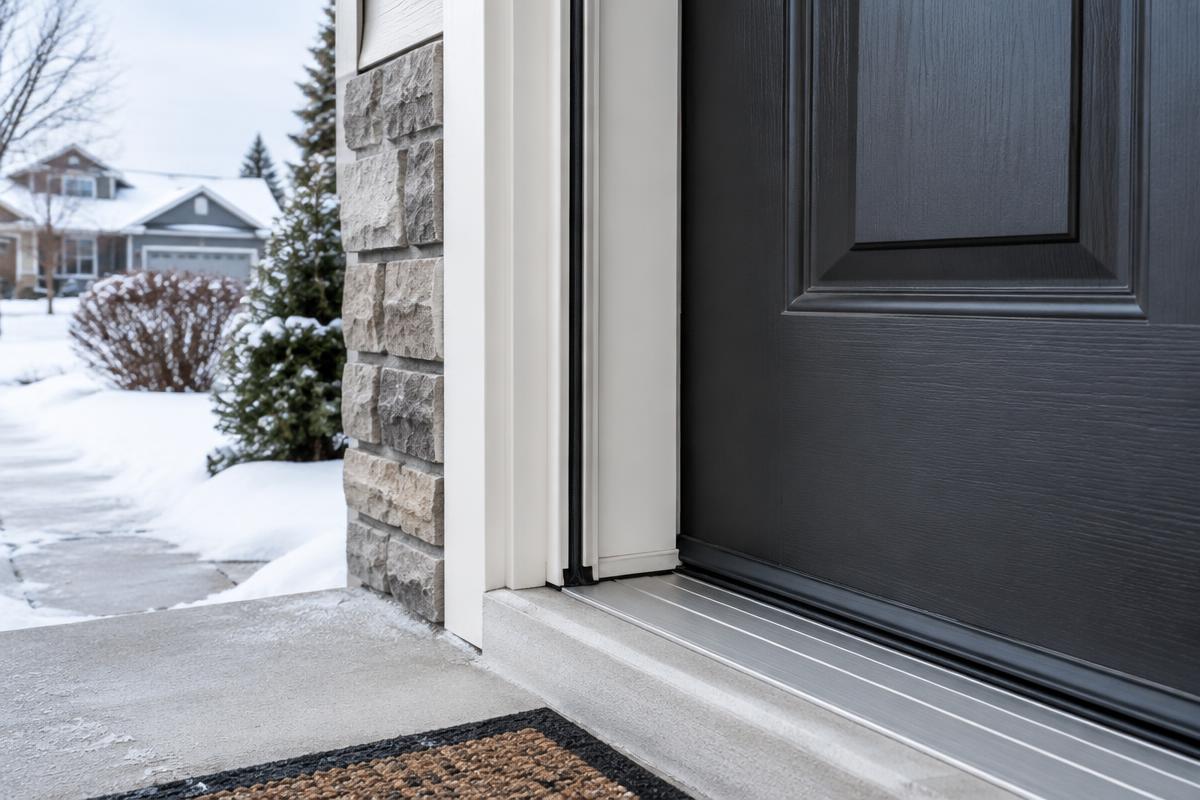
Look along the bottom and sides of exterior doors for worn sweeps, loose weatherstripping or daylight through a closed door. Include the garage-to-house door and accessible window screens. Public Health Sudbury & Districts identifies sound thresholds and weatherstripping as useful ways to reduce pest access. Make a repair list rather than assuming every gap explains an indoor sighting.
Check visible transitions around siding, foundations and utilities from the ground. Do not climb onto an icy roof, remove equipment covers or block ventilation and drainage openings. If insects or animals repeatedly use an unidentified opening, document the activity and ask for an assessment before sealing it. A building professional can help distinguish a defect from a necessary opening.
2. Look for moisture without guessing the cause
Check accessible plumbing beneath sinks, around a laundry area and near basement fixtures. Notice dripping, water staining, persistent condensation or damp stored items. Québec’s household pest guidance recommends repairing leaks and addressing condensation and dampness. These steps improve the living environment, but moisture is not the explanation for every pest or every sighting.
Keep existing bathroom ventilation working and report equipment that is not functioning properly. Do not disconnect vents, cover air openings or alter plumbing to address insects. Photograph a maintenance concern and arrange the appropriate repair. If you rent, tell the property manager where you noticed it and ask how access and repairs will be coordinated.
3. Organise storage so changes are visible
Review a few shelves at a time in the basement, garage and utility area. Reduce unnecessary cardboard and paper, and leave stored items accessible enough to check the edges of the room. Clear organisation helps you notice damaged packaging, moisture and new insect activity without pulling apart a large pile of belongings.
Keep household storage clear of equipment and its required access space. Do not reach into wall cavities or disturb suspected nesting material. If you find droppings, avoid dry sweeping or vacuuming them; consult current public-health cleanup guidance. Photograph evidence from a safe position and note the location instead of assuming the animal involved from a sound or mark alone.
4. Review food, pet food, rubbish and recycling
Use securely closed containers for pantry products, pet food and birdseed. Check old bags as well as items used daily. Clear accessible crumbs and spills, keep rubbish covered, and rinse food residue from recycling. Public-health guidance supports reducing accessible food and water as practical prevention, not as a guarantee that an established problem will disappear.
Include feeding areas, garage shelves and snacks stored outside the kitchen. Use older food first and avoid keeping damaged packaging indefinitely. Cleaning should be manageable and safe: do not move heavy appliances or reach into electrical equipment. Record fresh damage or repeated insects, and discuss those observations with a provider if they continue after routine housekeeping.
5. Check deliveries and seasonal decorations
Before shelving a delivery, look at the packaging for damage, visible insects or signs of moisture. Check dry foods before placing them alongside existing stock. The Canadian Food Inspection Agency recommends inspecting food packages and managing stored products carefully. A quick check is sensible; it does not mean winter deliveries are routinely infested.
When putting away seasonal decorations, inspect accessible boxes and the space where they will be stored. Remove unnecessary packing material and use clean, dry containers appropriate to the items. If you see unfamiliar insects, take a clear photograph without scattering the contents into other rooms. Do not assume a single insect in a box identifies a building-wide problem.
6. Keep a short record and know when to call
Write down the date, room and evidence whenever activity recurs. Repeated sightings in several locations, fresh packaging damage or ongoing sounds deserve more attention than one isolated observation. Include any leak, door repair or storage change on the same list. That record helps an inspection focus on what is happening rather than on a seasonal guess.
Ask Superior about an assessment when signs continue, an opening cannot be checked safely, or identification is uncertain. Share photographs and any previous treatments or products used. The next step depends on the pest and property; confirm the service scope rather than assuming a repair or treatment is included. A winter maintenance routine supports prevention while leaving diagnosis to evidence.