Indoor Pests
Spiders Indoors During Winter: What Edmonton Homeowners Should Know
By Superior Pest Control Team
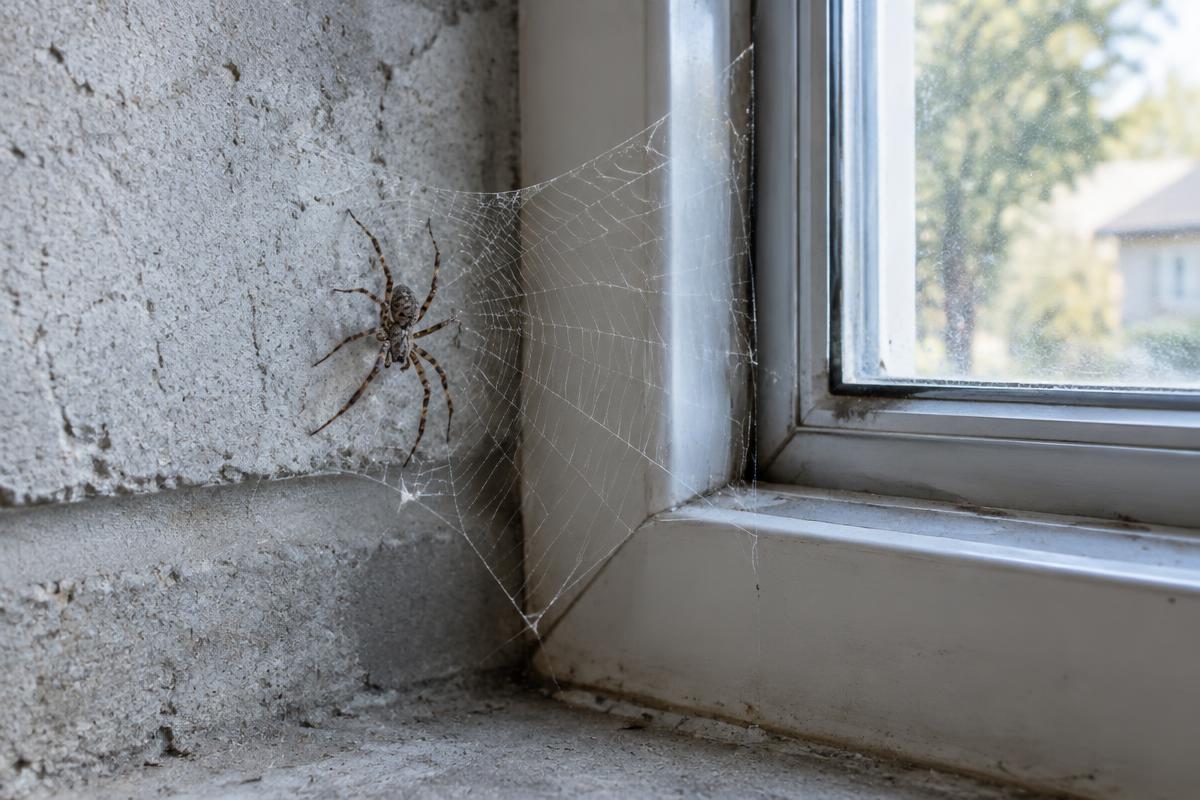
A spider in a basement corner during winter does not automatically mean the house has been invaded. Some spiders live in buildings, while others arrive accidentally with belongings or through an opening. For Edmonton homeowners, the useful questions are where sightings occur, whether webs return and what other insect activity is present. Keep the response proportionate: observe the pattern, maintain accessible areas and seek identification when it matters. Cold weather alone does not explain every indoor spider or establish its species.
Not every spider moves inside for winter
Health Canada describes different spider habits, including some spiders seeking warm places in fall. University of Minnesota Extension distinguishes spiders adapted to living in houses from outdoor hunting spiders that may wander inside. These are different situations. It is not accurate to say that all spiders migrate indoors when temperatures drop.
An indoor sighting in January does not show when the spider arrived or whether it reproduces in the building. A spider may already have been using a sheltered indoor location, or it may have come in with an item. Avoid assigning a seasonal explanation before considering the location, repeated observations and any recent movement of stored belongings.
Use webs and hiding places as context
Many spiders use webs to catch prey, while others hunt without them. Look at accessible window corners, basement edges and sheltered storage areas where webs are visible. A web identifies a place worth checking, not necessarily the species or the number of spiders present. An old undisturbed web is different evidence from a newly rebuilt one.
Take a clear photograph if identification is needed, including the spider and its setting when possible. Do not reach into an unseen cavity or move a heavy shelf just to get closer. Size and colour from a brief glance are not enough to name a species reliably. Note where the spider was found and whether similar sightings occur elsewhere.
Notice other insects without inventing a diagnosis
Spiders eat insects and other small arthropods, so nearby insect activity can be relevant. Check for repeated insects around a window, light or storage shelf. Health Canada explains the role of spiders as predators; their presence can be part of an ordinary indoor setting rather than a sign of a dangerous pest problem.
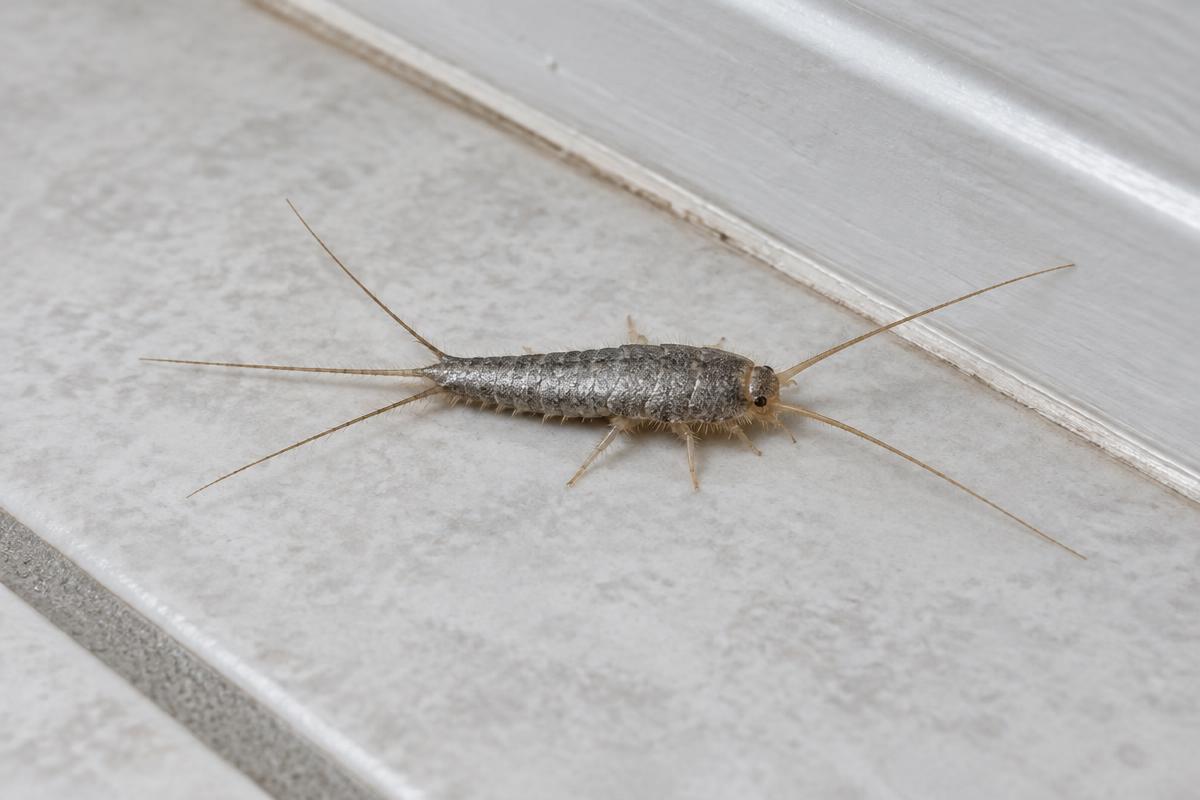
Do not assume a spider proves there is a hidden infestation or that removing every visible spider will address the cause of other insects. Record the different observations separately. If insects also recur, photograph them and describe where they appear. Identification of those insects may be more useful than repeatedly cleaning a web without understanding the surrounding activity.
Reduce clutter and remove accessible webs
Organise storage so corners and room edges can be checked. Remove accessible webs during routine cleaning, and reduce unnecessary packaging or piles that make observations difficult. Health Canada includes cleaning and reducing shelter among practical management steps. Work on areas you can reach safely rather than climbing on furniture or disturbing electrical equipment.
When moving seasonal items, inspect the container and accessible contents before putting them into a different room. An accidental hitchhiker is possible, but one spider in a box does not establish a problem throughout the home. Keep the area tidy and note whether activity continues. Routine housekeeping supports observation without requiring indiscriminate treatment of every sheltered space.
Maintain screens and door seals sensibly
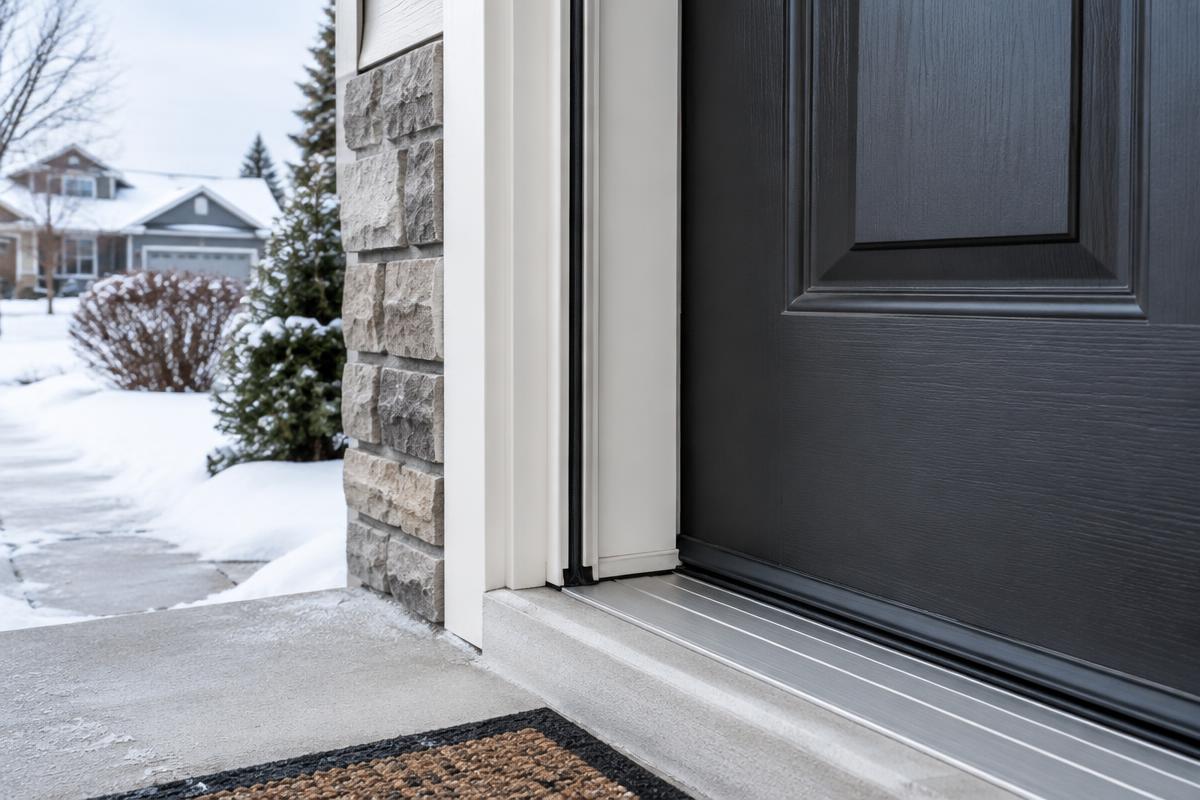
Check damaged screens, worn weatherstripping and visible gaps around doors or accessible windows. Repair obvious maintenance defects where appropriate. These steps can reduce entry opportunities for insects and spiders, but they do not guarantee a spider-free home or identify the route used by a particular spider already indoors.
Do not block vents or drainage openings, and do not seal an unidentified active pest route without assessment. Keep building function and safe access in mind. If a gap is connected to equipment, is high on the exterior or has repeated animal activity, document it and seek suitable advice. General maintenance should not turn into unsafe exploration of concealed spaces.
Know when identification or inspection is useful
Most ordinary indoor observations can be approached calmly, but avoid blanket claims that every spider or bite is harmless. Spiders are not generally aggressive and bites are uncommon, according to university-extension guidance. This does not allow a species diagnosis from vague signs. For concerning health symptoms or a suspected bite, seek medical advice rather than relying on pest-control identification alone.
Ask for identification or an inspection when spiders or other insects recur in several areas, when the species is uncertain and matters to your concern, or when accessible maintenance has not clarified the pattern. Superior’s residential service page is a starting point for an enquiry. Share photographs and locations, then confirm the scope appropriate to your property without assuming every sighting needs treatment.