Indoor Pests
Silverfish in Your Bathroom or Basement? What to Check This Winter
By Superior Pest Control Team
A small silvery insect disappearing beside a bathroom baseboard can be surprising. Before assuming a serious infestation, note what it looks like, where it appears and whether it returns. Silverfish can occur indoors year-round; winter is simply a useful time to review moisture and storage conditions in an Edmonton home. A sighting is not proof of a hidden leak or structural damage. Start with careful observation and practical maintenance rather than opening walls or choosing treatment before identification.
Check the features and possible lookalikes
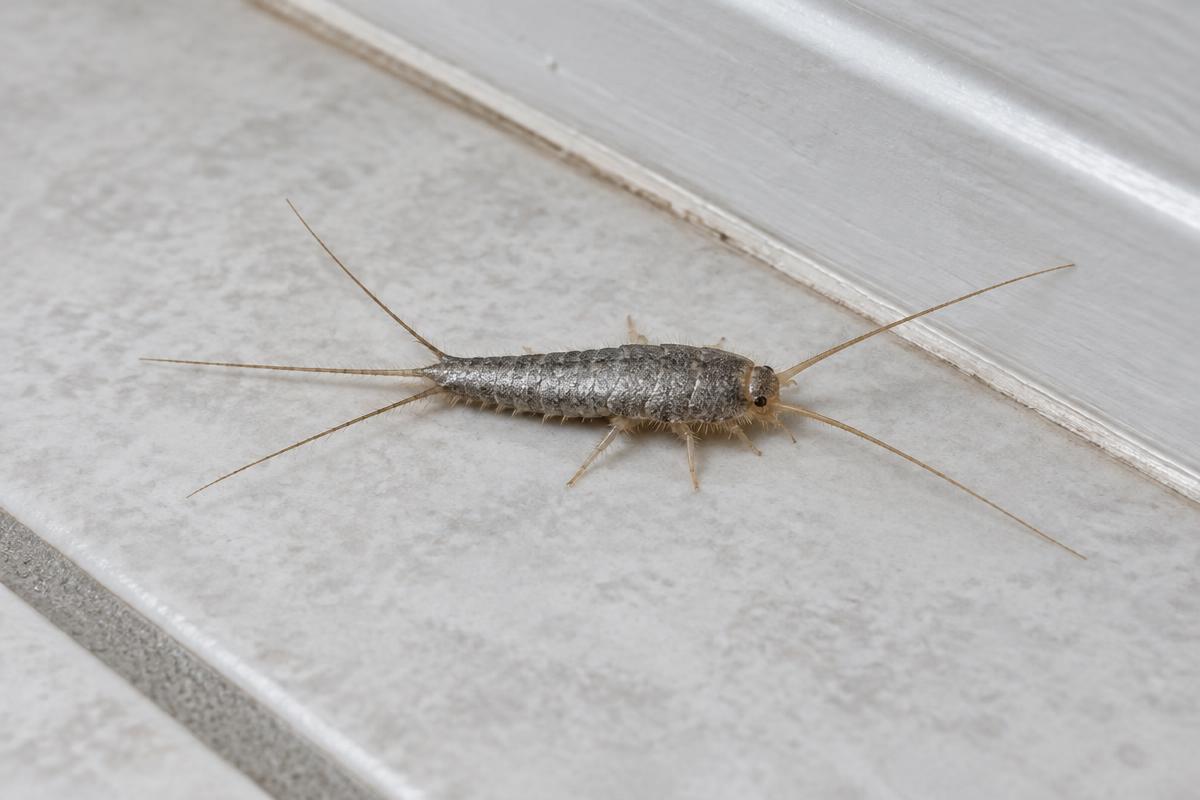
Health Canada describes silverfish as wingless insects with a flat, tapered body, two long antennae and three bristles at the rear. Silvery scales give them a metallic appearance. These features are more useful than describing an insect only as small or fast. If possible, take a focused photograph without reaching into an inaccessible gap.
Firebrats resemble silverfish but are generally mottled grey or brown rather than shiny silver. Other household insects can also be confused with them when a photograph is blurry or the sighting is brief. Do not decide the species from the room alone. Record the visible features and leave the identification open if the antennae, body or tail bristles cannot be seen clearly.
Look at the location without diagnosing a defect
Silverfish are often associated with damp, cool hiding places and areas around plumbing. Health Canada lists bathrooms, basements and other concealed indoor locations among places they may be found. They are nocturnal, so activity may be noticed when a light is switched on or a stored item is moved.
That pattern is a clue, not a moisture test. An insect in a bathroom does not prove the shower leaks, and one in a basement does not establish the extent of a population. Note whether sightings are concentrated near one fixture, shelf or baseboard. Observe accessible surfaces rather than dismantling plumbing, removing trim or searching inside electrical equipment.
Review leaks, condensation and ventilation
Look for visible dripping beneath sinks, persistent condensation and damp items near plumbing. Québec’s household pest guidance recommends addressing leaks and condensation, using bathroom ventilation and managing damp areas. Arrange appropriate repairs when a problem is present. Reducing dampness is useful maintenance, but it does not confirm identification or guarantee that all insect activity will stop.
Keep ventilation openings clear and use existing systems as intended. Do not seal an air opening because an insect was nearby or alter a fixture without suitable advice. If you cannot determine where dampness comes from, ask a building professional or property manager to investigate. Tenants should report maintenance concerns with their location and photographs where practical.
Check paper, cardboard and food residue
Health Canada notes that silverfish feed on materials including starches, crumbs, glue and paper products. Review cardboard storage, books and paper in affected areas, especially if they are damp or undisturbed. Remove unnecessary packaging and keep valued items in clean, dry storage appropriate to the material. Do not assume every mark on a book was made by silverfish.
Clean accessible food debris and organise shelves so the edges can be checked. Work gently with stored papers rather than scattering an entire box across several rooms. Photograph insects or damage before reorganising if that information may help identification. Silverfish can also be carried indoors with belongings; a sighting beside a new item does not prove that item explains every observation.
Keep concern proportionate and monitor changes
Health Canada explains that populations grow slowly and that substantial damage is associated with very large infestations present over a long period. One insect is therefore not, by itself, evidence of serious structural damage. At the same time, recurring activity around vulnerable books or stored materials deserves attention rather than an automatic assurance that nothing can be affected.
Keep a brief record of the date, room and location of each sighting. Note fresh damage separately from older marks, and photograph the insect if it can be done safely. Check whether observations continue after leaks are repaired or clutter reduced. A simple record is more useful than guessing numbers from how quickly one insect disappears into a crack.
Ask for assessment when activity continues
Consider professional advice if sightings keep recurring, appear in several rooms, or involve damage to stored materials. Identification is also worthwhile when the insect does not clearly match the silverfish features. Share the photographs, moisture observations and housekeeping changes already made. Mention any previous products used rather than repeating treatment without knowing the pest.
Ask Superior to confirm the appropriate assessment and available service for your property. Do not assume a specialist silverfish treatment or building repair is included. The provider can discuss what the evidence supports and which practical steps make sense next. Winter checks can improve everyday conditions, while persistent signs should be evaluated on their own merits in any season.