Bed Bugs
Signs of Bed Bugs: What to Look for Before Booking Treatment
By Superior Pest Control Team
Unexplained bites or marks on bedding can be worrying, but neither tells the whole story. Before booking treatment, focus on physical evidence and a careful inspection. For an Edmonton home or rental, useful information includes what you have seen, where you found it and which belongings or rooms may be affected.
Look for identification clues, not certainty from one photo
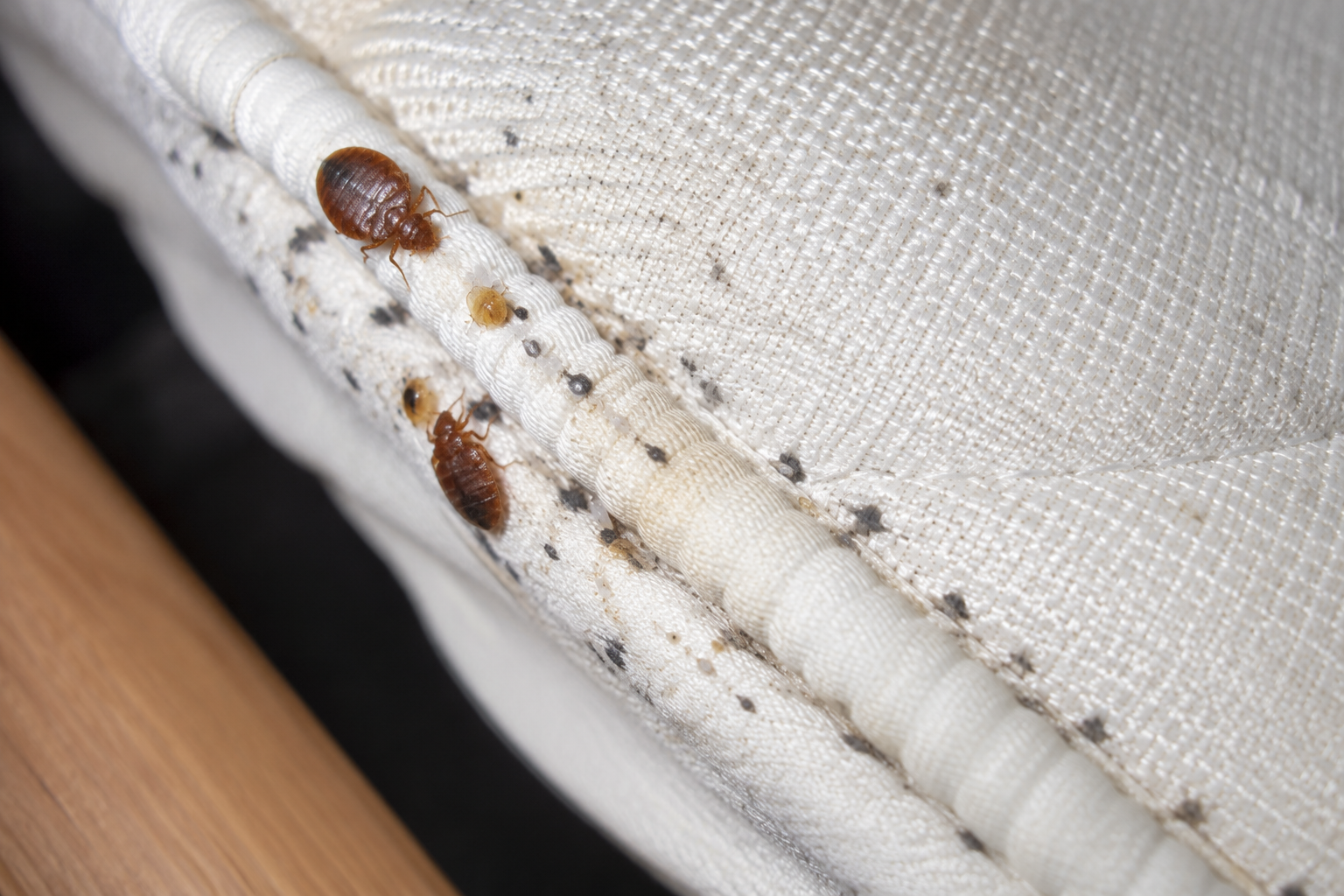
Health Canada describes adult bed bugs as small, wingless, oval and flat. They are brown and become darker or blood-red after feeding. Their appearance can change with feeding and life stage, and other insects can be mistaken for them. A photograph can support an inspection, but it should not become your only basis for identification.
Possible evidence includes a live insect, shed skins and dark spotting near sleeping or resting areas. Record where the material was found. Avoid handling suspected insects or opening furniture in ways that could scatter them. If you can photograph evidence without disturbing it, include a wider view that shows the location as well as the detail.
Why bites alone do not confirm bed bugs
People may react differently to bites, and Health Canada notes that bites may not be noticed immediately. Skin marks can have other causes. A pattern of itching or bites is worth discussing, but it is not a reliable way to identify the insect or determine which room is affected.
Look for physical evidence instead of assuming that every unexplained mark means bed bugs. If symptoms concern you, seek advice from a healthcare professional separately from the pest inspection. Health Canada states that bed bugs are not known to spread disease, but this does not mean an infestation or a person’s symptoms should be dismissed.
Check common hiding areas carefully
Bed bugs can hide in small spaces near sleeping areas. Accessible mattress seams, the edges of a box spring, bed frames, furniture joints and nearby cracks are places to observe. The concern is not restricted to the top of the mattress, and finding an insect in one place does not establish the full extent of the activity.
Use a careful visual check where access is straightforward. Do not dismantle electrical fixtures, pull apart walls or shift potentially affected furniture into another room. An inspection can consider concealed spaces and the property layout more systematically. Tell the provider if you cannot access a location safely rather than trying to investigate every possible hiding place yourself.
Document evidence without moving the problem
Write down dates, rooms and the exact places where you noticed signs. Photographs of a seam or furniture joint are more useful when paired with a room location. Keep the information factual: describe spotting or an insect rather than assigning a cause that has not been confirmed.
Avoid moving potentially affected bedding, furniture or other belongings between rooms. That can make it harder to contain the concern and understand where activity is occurring. Do not donate or pass on suspect items. Before disposing of furniture or reorganizing a room, ask the inspecting provider for advice. A rushed move can create additional disruption without resolving the underlying issue.
Wait for preparation instructions suited to the property
Health Canada recommends using a licensed pest control operator and explains that preparation instructions depend on the inspection or treatment. Ask what needs to be done before the visit, which areas need access and how belongings should be handled. Do not assume a general online checklist matches the plan for your property.
Preparation may involve laundry, organization and access around furniture, but the provider should explain the relevant steps and any precautions. Mention children, pets, health concerns and practical limitations so these can be considered. Do not attempt improvised heat treatment or pesticide use. Health Canada advises leaving heat treatments to professionals; no particular method should be promised before assessment.
Rentals and shared buildings need communication
If you rent, notify your landlord or property manager promptly and provide the evidence and locations you have recorded. Health Canada recommends that tenants tell the landlord and notes that a public health officer can provide guidance. Keep a record of communications and ask who will coordinate inspection and preparation instructions.
In a shared building, do not assume that inspecting one sleeping area answers every question. Explain any concerns about neighbouring spaces or shared belongings without blaming another resident. The inspection and treatment plan should take the property into account. For service information, Superior’s Edmonton bed-bug page is a starting point; confirm the appropriate assessment, preparation and treatment scope before booking.