Cockroaches
Cockroaches in Your Kitchen? First Steps for Edmonton Homes and Rentals
By Superior Pest Control Team
A cockroach sighting in a kitchen deserves attention, but it is not proof that the home is dirty. Alberta Health explains that cockroaches can occur in any building. For Edmonton homeowners and renters, the first steps are to document the activity, reduce accessible food and moisture, and arrange appropriate advice without spreading blame or guessing at treatment.
Record what you see and where you see it
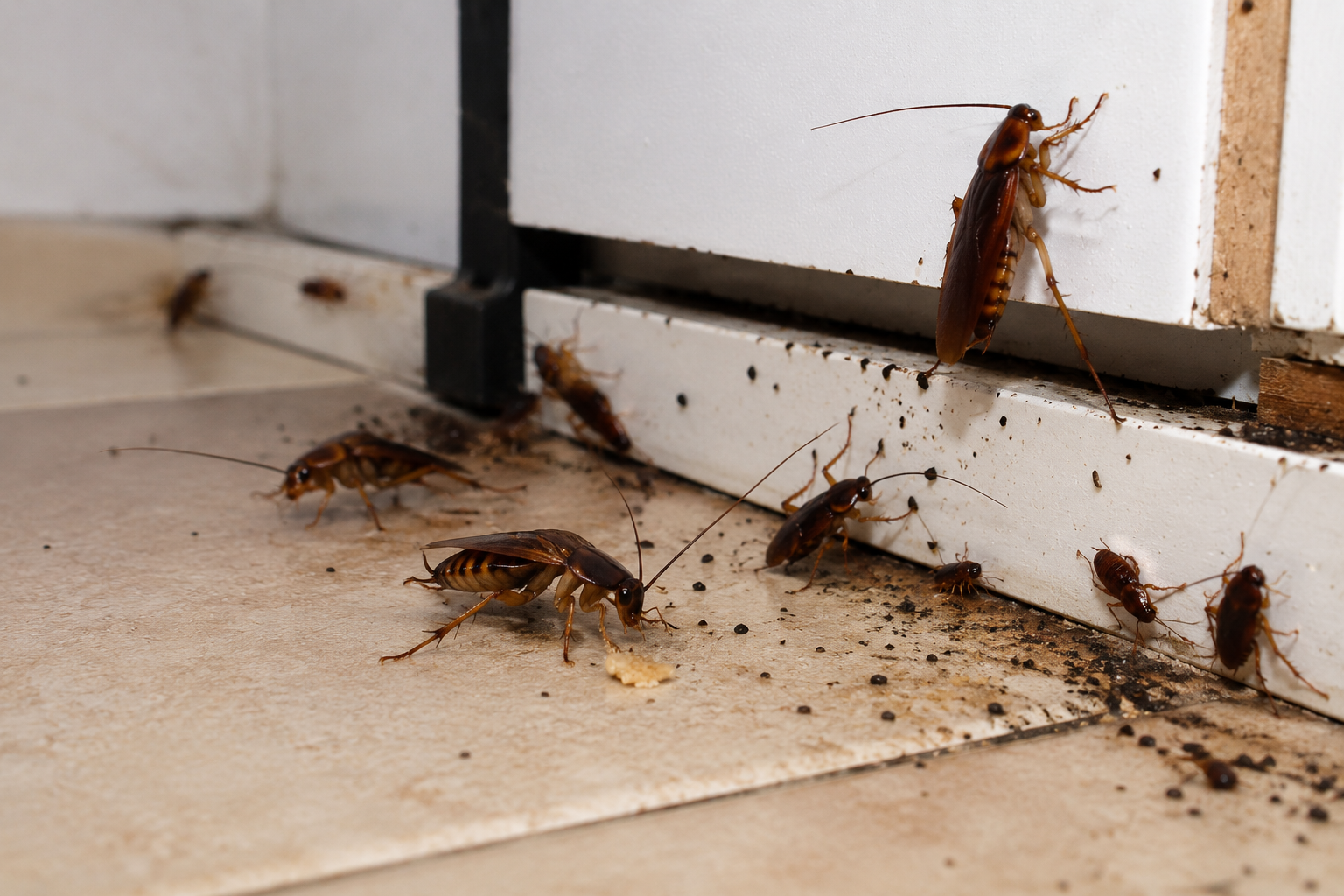
Note the date, time and location of each sighting. Include whether you saw a live insect, smaller insects, shed material or possible droppings. A clear photograph taken without reaching into equipment can help a provider assess what you mean. Keep identification tentative until the pest has been confirmed.
Alberta Health describes kitchen crevices and areas beneath appliances as common hiding places. Observe accessible edges of cupboards and baseboards rather than moving heavy appliances or opening electrical equipment. One sighting does not tell you the full extent of activity, and an absence of insects during the day does not establish that the concern has gone away.
Reduce accessible food in practical ways
Store food in closed containers, wipe accessible spills and crumbs, and keep waste contained. Check the edges of a dining area and the floor near pet bowls as well as the kitchen counter. Rinse food residue from recycling and avoid leaving dirty dishes or open food where insects can reach them.
These steps support prevention and treatment planning; they do not promise to remove an established infestation. Work on the areas you can safely reach and maintain. If access behind an appliance is difficult, mention it during the assessment. A manageable routine is more useful than taking risks while attempting to clean a hidden space.
Address moisture and hiding places
Look for leaks, condensation or persistent dampness around accessible plumbing. Alberta Health identifies food sources and moisture problems as factors that can make a building more prone to cockroaches. Record the location of a leak and arrange a suitable repair. Tenants should report maintenance concerns rather than altering plumbing or building components themselves.
Reduce unnecessary cardboard and clutter where possible, and keep storage organized so edges of a room can be checked. Do not block required ventilation or fill every building opening without advice. Insects beside a gap may be using it, but observation alone does not determine the appropriate repair or treatment for the whole property.
Consider items brought into the home
Alberta Health notes that cockroaches may arrive on food, furniture or clothing. Check incoming items when it is practical to do so, particularly packaging or used furniture with concealed spaces. Avoid moving suspect items to another room, another unit or another household just to get them out of sight.
If you notice an insect in a recently delivered item, document the item and where it was placed. That information may help an assessment, but it does not prove the origin of all activity in the building. Keep the discussion focused on evidence rather than assigning responsibility before the situation has been reviewed.
Renters: notify property management early
Report sightings to your landlord or property manager with dates, locations and photographs where available. Ask how inspection and any required access will be coordinated. Alberta Health advises tenants to report problems promptly, keep the home clean and allow pest-control access with proper notice.
Alberta’s rental guidance also outlines landlord responsibilities for safe housing and good repair. Individual circumstances and disputes can require advice beyond a pest-control article. Keep a record of reports, maintenance concerns and instructions you receive. In a shared building, coordinated communication is more helpful than quietly trying different products or assuming the activity is limited to your kitchen.
Use care around evidence and food
Cockroach contamination is a reason to protect food and keep children and pets away from affected areas. Alberta Health notes that cockroach feces can contaminate food and contain allergens that may worsen asthma. Ask a healthcare professional about health symptoms; identifying or treating a pest is not a substitute for medical advice.
Do not mix products, improvise pesticide use or assume a treatment is harmless for everyone. Tell the provider about any previous products used, pets and other relevant household considerations. Ask for property-specific preparation and follow-up instructions, including how food and kitchen items should be handled. This article intentionally does not provide pesticide application directions.
When to request professional treatment planning
Arrange an assessment if sightings recur, you notice activity in several places, or you cannot confirm what the insect is. Share the record of sightings, moisture issues and steps already taken. A professional plan should consider the pest, hiding places, property access and any coordination needed in a rental or managed building.
Superior’s Edmonton cockroach-control page explains the service to discuss. Confirm the scope and preparation requirements before booking rather than expecting cleaning alone to resolve every situation. Practical housekeeping, repairs and clear communication remain valuable parts of the response, alongside a treatment plan appropriate to the property.