Pantry Pests
Pantry Pests in Winter: What to Check in Flour, Cereal and Pet Food
By Superior Pest Control Team
Cold weather outdoors does not tell you what is happening inside a heated cupboard. Insects in a flour bag, webbing around cereal or activity near pet food can point to a stored-product problem that needs closer inspection. Start with the package and nearby food rather than spraying the kitchen or naming a pest from one small insect. For an Edmonton household, useful first steps are to document the evidence, manage affected food and check the rest of the storage area.
Recognise signs without identifying from one clue
The Canadian Food Inspection Agency describes live insects, larvae, pupae, damaged food and webbing as possible signs in packaged foods. Stored-product pests include different moths, beetles and weevils. Their appearance and the products involved vary. Note whether the evidence is inside a food package, on its opening or elsewhere in the cupboard.
Webbing can be associated with stored-product moth larvae, but it does not identify a species on its own. A tiny insect on a kitchen wall may have a different source entirely. Take a clear photograph of the insect and affected package, including a wider view of the shelf. Keep identification tentative until the evidence has been reviewed.
Understand the indoor winter setting
Heated indoor storage can provide conditions in which stored-product insects remain active even while the weather outside is cold. A pantry problem may begin in a package brought home and spread to other suitable food. Winter alone is not a cause, and an insect sighting does not establish when or where a product first became affected.
Check the storage history as well as the room. An older open bag at the back of a shelf deserves attention, but newly purchased food should also be inspected. Record purchase details and package information where useful. Avoid assigning blame to a shop or household member before identification and the extent of the activity are understood.
Inspect more than flour and cereal
Review dry goods systematically: flour, cereal, rice, pasta, baking mixes, grains, nuts, dried fruit, seeds and spices are worth checking. Include pet food and birdseed, particularly products stored outside the main pantry. Different insects use different materials, so this is an inspection list rather than a claim that every listed product is affected.
Look at seams, folds, lids and the outside of packages before opening them. Then inspect accessible contents carefully without scattering suspect food. Pay attention to products in adjacent cupboards and storage rooms, not only the shelf with the first sighting. University of Minnesota Extension recommends finding the affected products because insects may be present in more than one source.
Manage affected food and check neighbours
CFIA guidance says contaminated food can be discarded or returned. Set affected packages apart from unaffected stock while deciding how to handle them, and keep them contained so insects and loose contents are not spread through the kitchen. Retain photographs and purchase information if you plan to contact the retailer or report a food concern.
Check nearby packages individually instead of throwing away everything without inspection. A closed-looking bag can still have damaged seams or small openings. Do not mix suspect food into a new container of fresh stock or feed it to a pet as a disposal method. Ask for appropriate advice if you are unsure what the evidence means or how to handle a particular product.
Clean shelves and rebuild sensible storage
After affected products are removed, clean the empty cupboard and accessible shelf edges, removing crumbs and spilled food. Let cleaned surfaces dry before replacing supplies. Do not rely on cleaning only the visibly affected spot if neighbouring products have not been checked. Inspection and removal of the source matter more than covering up the signs.
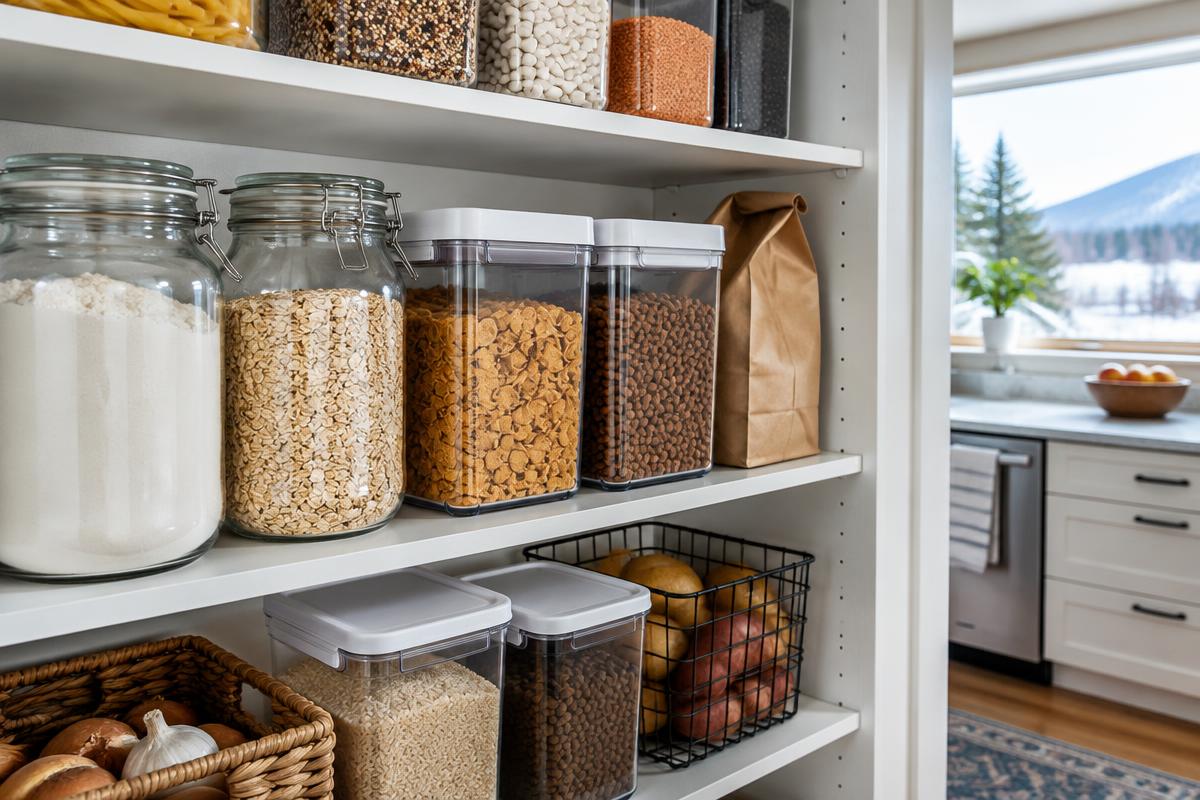
Transfer sound dry goods to glass, metal or heavy-plastic containers with secure lids, as CFIA recommends. Use older stock first and buy amounts you can reasonably use rather than leaving open bags indefinitely. Do not apply household sprays to food, food-contact surfaces or pantry contents. A spray does not make contaminated food suitable to keep, and this article provides no pesticide directions.
Get help when the source remains uncertain
Continue checking for fresh insects after the cupboard has been cleaned and food reviewed. Note where they appear and whether activity is inside packages or away from the pantry. Persistent sightings may mean another stored product was missed, but they may also involve a different insect. Identification is more useful than repeating the same response without new evidence.
Contact Superior with photographs, the products involved and the areas where activity continues. Ask about identification and available service for your situation; this is not a promise of a dedicated pantry-pest treatment. If insects are associated with a purchased food product, CFIA’s guidance also explains consumer reporting options. Keep the discussion specific so the next step fits the evidence.