Q: Are all spiders dangerous?
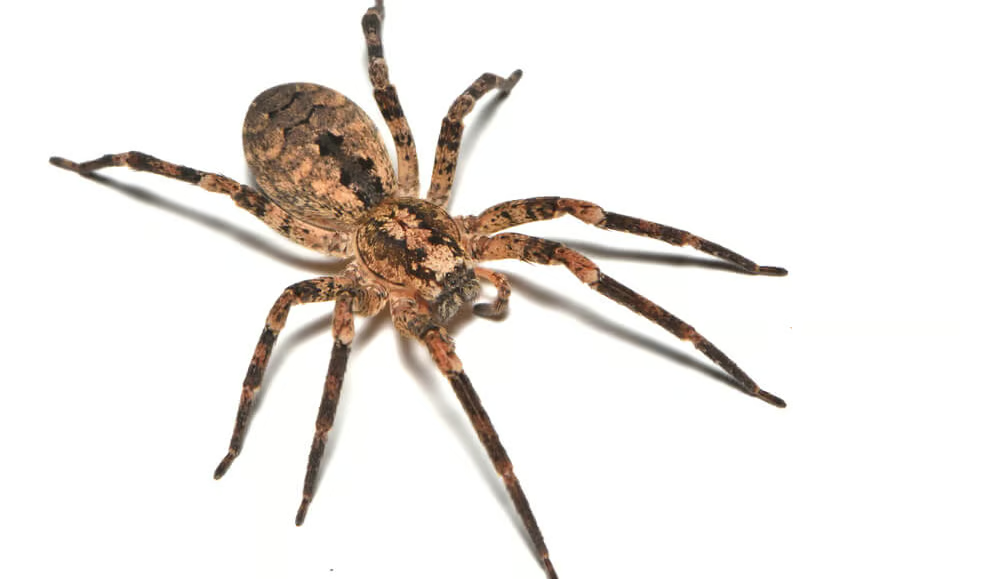
A: No, most spiders are harmless and actually help control other pests. However, some species like black widows and brown recluses are venomous and can pose health risks if they bite.
Q: How do spiders get into my home or building?
A: Spiders often enter through small cracks, gaps around windows and doors, or vents. They’re usually drawn inside while searching for food (other insects) or shelter.
Q: What are the signs of a spider infestation?
A: Common signs include frequent spider sightings, webs in corners or undisturbed areas, egg sacs, and an increase in other insects (which spiders feed on).
Q: Can I get rid of spiders on my own?
A: While you can remove visible webs and spiders, DIY methods often miss hidden nests or entry points. Professional pest control targets both spiders and the insects they feed on for more complete protection.
Q: How do you treat for spiders?
A: We perform a thorough inspection, remove webs and egg sacs, and apply safe, targeted treatments to cracks, corners, and other common spider harborage areas. We also offer advice to reduce attractants.
Q: Are your spider treatments safe for pets and children?
A: Yes. All of our products are applied carefully and meet industry safety standards. We also provide clear instructions to keep your family and pets safe during and after treatment.
Q: How can I prevent spiders from coming back?
A: Keep your space clean and clutter-free, reduce outdoor lighting that attracts insects, seal cracks and gaps, and remove webs regularly. We also offer ongoing treatment plans for long-term prevention.